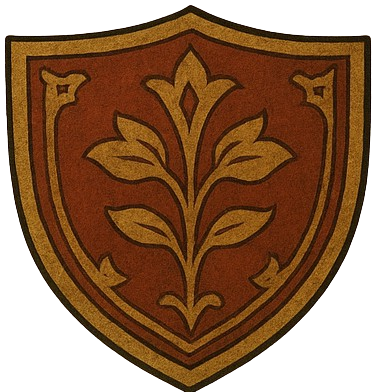
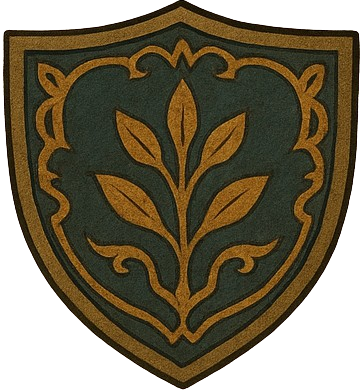
Peldarian Enclave
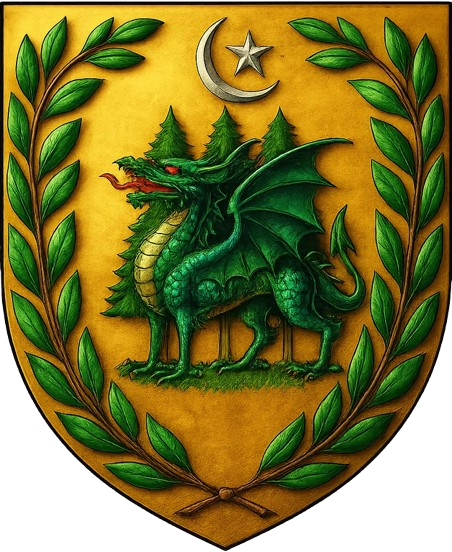
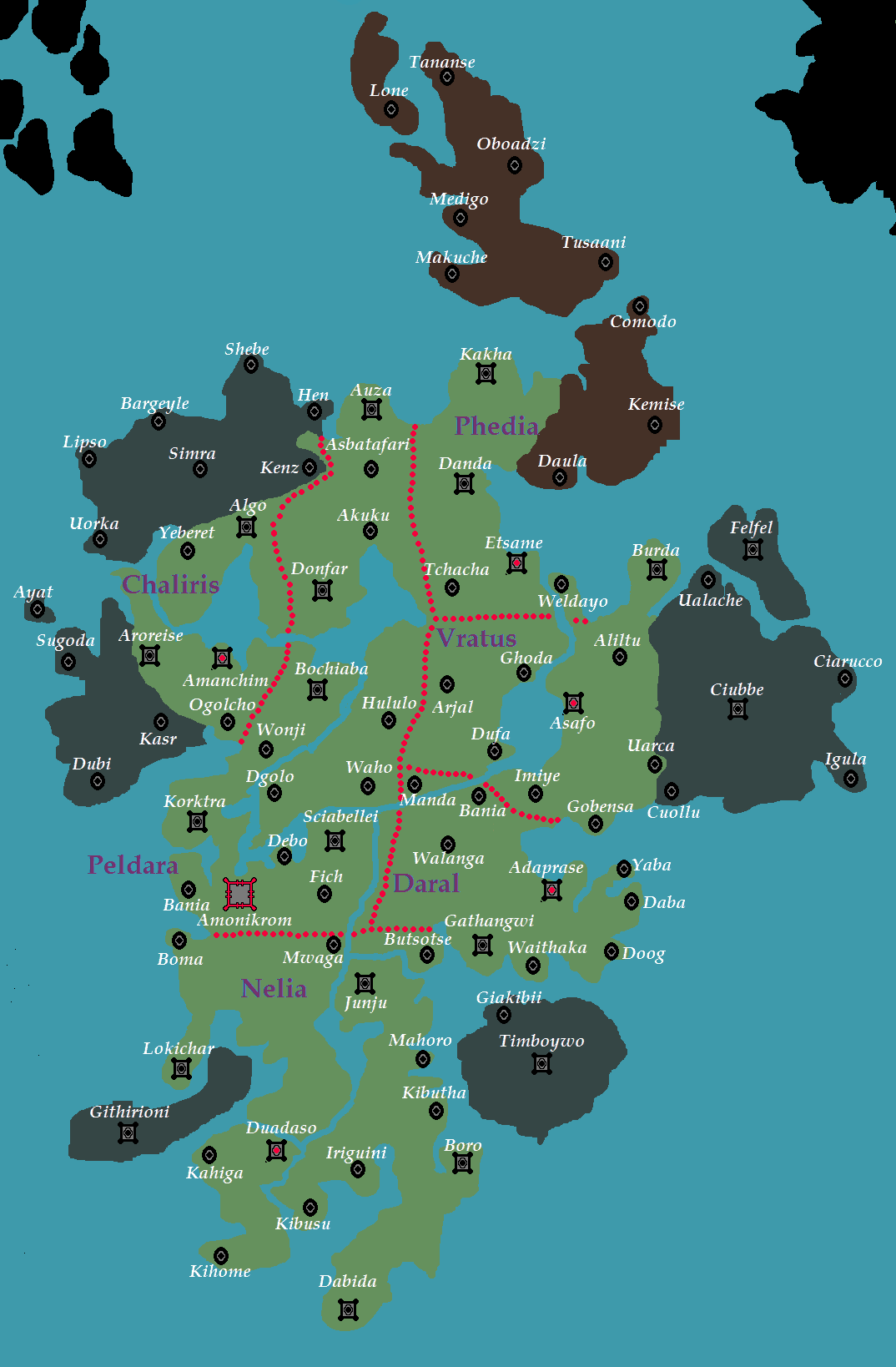
The Peldarian Enclave, situated centrally on the mystical continent of Yeaoshan, is a grand and mighty civilization that revolves around the balance between the forces of Light and Dark. Governed by both spiritual and political authority, the enclave is deeply intertwined with the Church of Light and Dark, which ensures the Sacred Cycle is maintained. The Shahanshah, or King of Kings, leads the Enclave politically, while the Abbasid Caliphate or Caliph guides the spiritual and moral direction of the people.
The Sundering
Two thousand years ago, the mighty Eaepeldar Empire, one the dominant force on the Yeaoshan continent, was shattered by a cataclysmic event known as The Sundering. The land was torn apart, creating islands and isolating vast regions that had once been unified. The collapse of the Eaepeldar Empire left a fractured world, and the Eaepeldarian people, scattered across what remained of their territory, found themselves in a new and uncertain era.
In the immediate aftermath, the imperial authority vanished. The emperor, once the central figure who bound the vast Enclave together, was gone, and without a unified government, the Enclave fractured into a collection of six independent provinces. For nearly two thousand years, these provinces remained isolated from each other, each with its own rulers, culture, and way of life. Local chieftains and warlords took control of their respective lands, and regional power struggles became the norm. The provinces, once united under the Eaepeldarian banner, now operated as independent entities, their connections growing weaker with time.
The Eaepeldarian people, scattered across these provinces, adapted to the new geographical and political realities. Coastal regions, once connected by imperial roads and trade routes, now turned to maritime trade and naval strength to maintain their livelihoods. In contrast, the inland provinces, isolated from the sea, relied on self-sufficiency and agriculture, often struggling with limited resources. Over time, the once-great Empire devolved into autonomous territories, each focusing on its own survival and governance.
The religious unity of the Eaepeldarians, once a powerful force that bound the Empire together, splintered. The Church of Light and Dark, which had been central to the imperial identity, became divided as the provinces developed their own interpretations of the faith. Some areas embraced local gods, while others clung to the remnants of the original religion, interpreting its teachings in ways that suited their isolated circumstances.
Economically, the provinces struggled. With the Empire fractured, trade routes were severed, and the once-thriving infrastructure of the Eaepeldar Empire deteriorated. Scarcity became widespread in some regions, while others turned to the sea for trade and sustenance. The loss of intellectual institutions and advancements resulted in a decline in technology and scholarship, leaving the Empire vulnerable to external threats and internal turmoil.
For nearly 1800 years, the provinces remained divided, each pursuing its own interests and slowly losing the memory of their former unity. It was not until around 200 years ago that a dramatic shift occurred. External pressures, perhaps from neighboring powers or emerging threats from within the continent, forced the provinces to reconsider their independence. Diplomatic ties were forged between the provinces, and a loose coalition formed, marking the birth of the Peldarian Enclave.
This newly formed Enclave, while still maintaining the independence of each province, allowed for the cooperative exchange of resources, knowledge, and defense. Treaties were signed, and a more centralized council was established, though the provinces retained a significant degree of autonomy. Still, the idea of reunification began to take hold, with the dream of once again uniting the fractured lands of the old Empire slowly becoming a possibility.
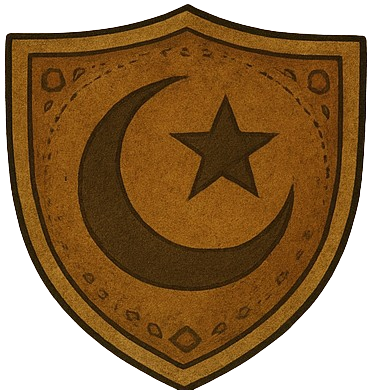
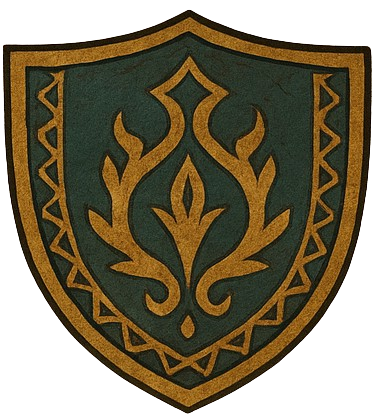
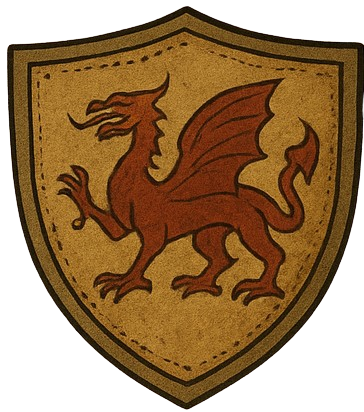
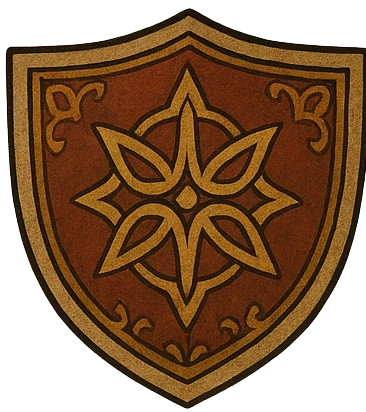
The Peldarian Enclave, now a collection of six provinces, stands as a testament to the endurance of the Peldarian people. Though separated by centuries of division, they are bound together by their shared history and the memory of a lost Empire. Today, while the Enclave is still very much a confederation of independent provinces, the bonds between them grow stronger with each passing year, and the dream of a unified Peldaria, though distant, still lingers in the hearts of those who remember the glory of their ancestors.
Geography and Climate
The Peldarian Enclave spans vast regions, each offering unique landscapes that reflect the divine forces that shape the Enclave. From dense jungles to towering mountains, the natural world is both a physical and spiritual foundation for the Enclave's culture.
Amonikrom: The capital city, deep in the ancient forests, is the spiritual and administrative heart of the Enclave. Here, the Church of Light and Dark exerts its influence, and the Shahanshah rules with a blend of divine and temporal power.
Phedia: The only mountainous region in the Enclave, Phedia is known for its harsh terrain and spiritual significance. Its mountains are considered sacred, and many of the gods are believed to walk among these peaks.
Jungles: The vast jungles that make up the majority of the Enclave's land are rich in flora, fauna, and ancient ruins. The jungles are not just a natural resource, but a divine sanctuary where the forces of both Light and Dark coexist.
Government and Leadership
The Peldarian Enclave is ruled by the Shahanshah, a title meaning "King of Kings", derived from ancient traditions. The Shahanshah holds political power over the Enclave, overseeing military conquests, administration, and trade. However, the Shahanshah's authority is tempered by the immense power of the Church of Light and Dark, which governs the spiritual and moral direction of the people.
Shahanshah: The supreme ruler of the Enclave, the Shahanshah commands the military and enforces laws. However, his power is balanced by the spiritual guidance of the Caliph. The Shahanshah is a symbol of strength, but also of the delicate relationship between Light and Dark.
Caliph: The Caliph is the highest spiritual authority in the Enclave, representing the will of the gods. The Caliph ensures that the divine balance between Light and Dark is respected and guides the Enclave's actions in accordance with the Sacred Cycle.
The Inner Council: The ruling body of the Church of Light and Dark, made up of Serks and Himsa. They provide counsel to the Shahanshah and help manage the affairs of the Church, maintaining the balance between the divine forces.
Religion and Spiritual Beliefs
The Church of Light and Dark is the cornerstone of Peldarian society. Built on the worship of gods of Light and gods of Darkness, the religion teaches that the forces of creation and destruction, life and death, must be kept in balance for the world to thrive. The Pantheon of Light and the Pantheon of Darkness represent two sides of the same divine whole.
The Pantheon of Light
The gods of Light represent the forces of order, justice, and life, working to protect and nurture the world's inhabitants.
- Ra, Lord of Light: The god of justice, sun, and order. Ra represents the divine power of light, truth, and righteousness, the eternal enemy of darkness.
- Isis, The All-Mother: Goddess of magic, healing, and fertility. Isis nurtures life and provides protection and wisdom, ensuring that all things are cared for and allowed to grow.
- Osiris, The Lawgiver: God of resurrection and the afterlife. Osiris governs the sacred balance between life and death and ensures that the dead are judged and guided to their rightful place.
- Horus, The Great Sphinx: God of war and protection. Horus represents the strength to defend good and the divine will to protect the Enclave from evil.
- Bennu, The Phoenix: God of rebirth and renewal. Bennu is the embodiment of the eternal cycle of life, death, and resurrection, ensuring that the cycle never ends.
The Pantheon of Darkness
The gods of Darkness represent the forces of death, destruction, and chaos, which are essential to the cosmic order. These gods allow for the rebirth of life and ensure the world continues to evolve.
- Set, Lord of Chaos: God of destruction and evil, Set represents the forces that disrupt and reshape the world. His role is to challenge order and ensure that chaos is always present to balance the universe.
- Anubis, God of the Dead: The guide of souls through the afterlife, Anubis ensures that death is not the end but a transition to a new form of existence.
- Apepi, The Serpent of Chaos: A malevolent god of corruption and evil, Apepi represents the forces of destruction and subversion, often working in tandem with Set.
- Ammit, The Devourer: Goddess of judgment and destruction, Ammit devours the souls of those unworthy of life in the afterlife, ensuring that only the worthy are allowed to pass.
The Structure of the Church of Light and Dark
The Church of Light and Dark is a powerful organization that oversees both spiritual and administrative matters in the Peldarian Enclave. The Church is divided into Himsa (priests) of Light and Himsa of Darkness, each aligned with their respective deities.
- Himsa of Light: Uphold the principles of good, order, and justice. They act as healers, protectors, and warriors of justice.
- Himsa of Darkness: Maintain the balance of the universe through death, destruction, and rebirth. They guide souls through the afterlife and ensure that the destructive forces remain in equilibrium with creation.
Military and Defenses
The Peldarian Enclave's military is a powerful force, skilled in both traditional combat and divine magic. The Divine Defenders are a special group of elite warrior-priests who protect the Enclave from both mortal and supernatural threats. These warriors are imbued with holy magic, which they use to enhance their combat skills.
- Sacred Warriors: These elite soldiers are not only trained in battle but also in the magic of Light and Dark. They are able to call upon the gods to bless their weapons and protect them from harm.
- Zebras as War Mounts: Zebras are used as war mounts by the Sacred Warriors. Their agility and speed make them ideal for both combat and messenger duties.
Economy and Trade
The Peldarian Enclave has a thriving economy based on agriculture, trade, and spiritual offerings. The temples and churches are integral to the economy, as they serve as both centers of worship and sources of income.
The Role of Other Races
The Peldarian Enclave is home to other races beyond the dark-skinned humans that make up the majority of the population. Dwarves and Halflings contribute to the Enclave's wealth, culture, and spirituality.
- Dwarves: Known for their craftsmanship, Dwarves play a vital role in the construction of temples and the creation of magical artifacts.
- Halflings: Halflings are skilled merchants, farmers, and traders. They are a neutral force in the spiritual conflicts, often serving as mediators between the various factions of the Church.
The Peldarian Enclave is a civilization defined by the interplay of Light and Dark, both of which are seen as essential forces that maintain balance in the world. Under the leadership of the Shahanshah and the spiritual guidance of the Caliph, the Enclave has flourished through a deep commitment to the Sacred Cycle. Whether through the Church of Light and Dark, its divine artifacts, or its elite military forces, the Peldarian Enclave stands as a beacon of strength, wisdom, and balance in a world shaped by divine forces.
The Current Political Landscape
The Provinces of The Peldarian Enclave
|