Province of Phedia
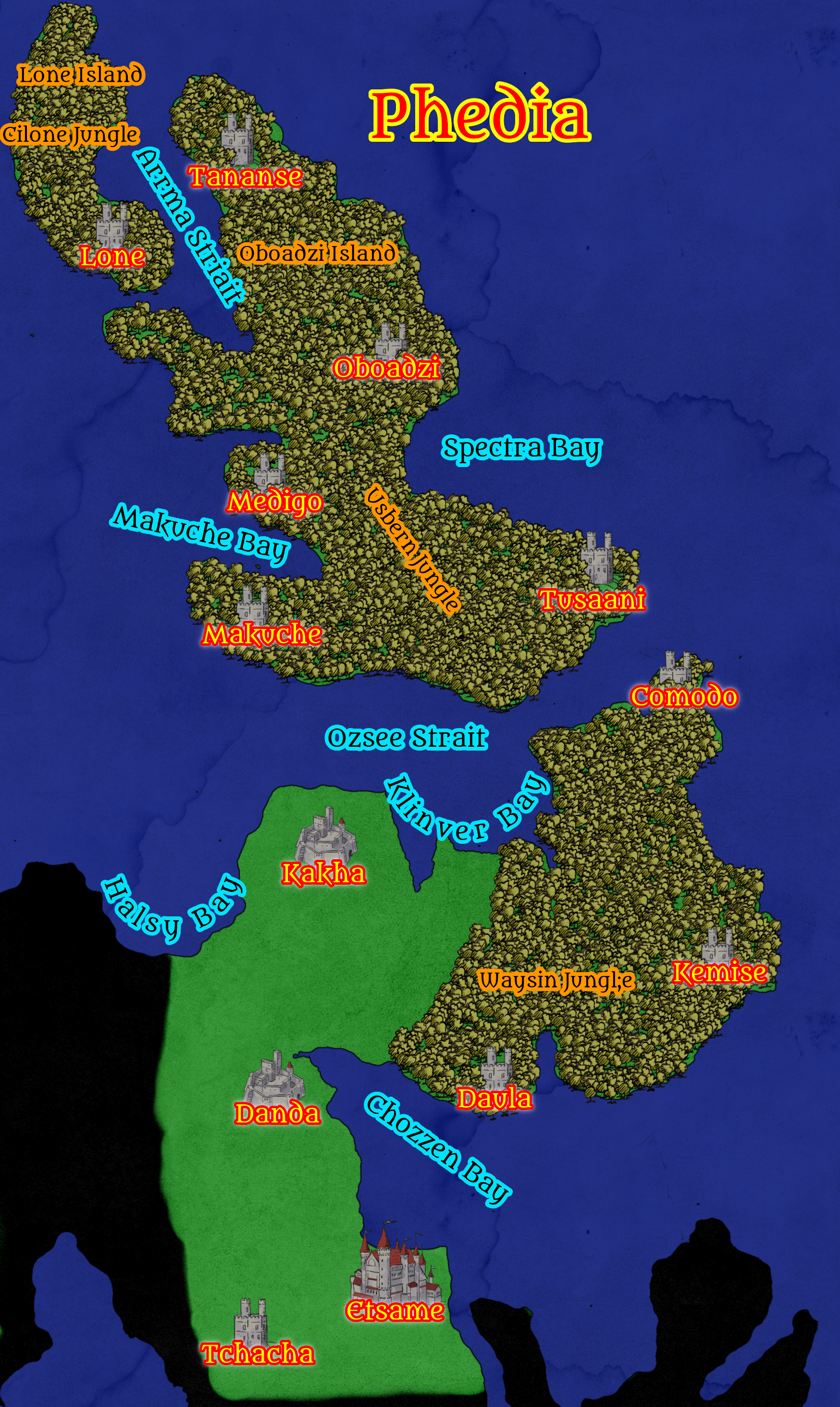
Phedia, known as the Roof of the Gods, is a province of sacred peaks and highland sanctuaries, where both the heavens and the earth meet in a dramatic, often harsh embrace. The province is dominated by towering mountains, snow-capped peaks, and deep, shadowed valleys where few can survive the unforgiving terrain. Here, temples cling to cliffs, monasteries are carved from rock, and ancient shrines sit within the deepest gorges, believed to be the places where the gods themselves once walked.
The people of Phedia are both resilient and devout, living their lives in constant communion with the divine forces that are believed to inhabit these mountains. Pilgrims from across the Enclave venture to the sacred shrines, seeking visions, blessings, and healing from the priests and monks who reside here. These spiritual leaders are said to possess god-given wisdom and have direct access to the divine, making Phedia a province of unparalleled spiritual authority.
Despite its spiritual power, much of Phedia's land is inhospitable and isolated. The treacherous mountain paths limit trade and communication with the rest of the Enclave, and the people who call these mountains home are often seen as aloof and fiercely independent. The mountains may be a source of strength, but they also give rise to secessionist movements, as many in Phedia believe their connection to the divine is purer and stronger than that of the rest of the Enclave. They see themselves as the true guardians of the gods, separated from the rest of the Enclave by both geography and faith.
Phedia is also the mineral heart of the Enclave, its mountains rich with precious metals, gemstones, and minerals that fuel both the spiritual and material wealth of the Enclave. The miners and jewelers of Phedia extract these riches from the mountain veins, producing artifacts, jewelry, and sacred objects imbued with divine energy. The sacred stones and ores are also believed to hold mystical powers, and many are sought after for religious ceremonies and divine rituals.
History
The history of Phedia is one of isolation and reverence.
Long ago, during the early days of the Eaepeldar Empire, Phedia served as the spiritual heart of the Empire. Its mountains were seen as the gateway to the gods, and many of the empire's most sacred temples were built in its most remote and difficult-to-reach locations. The ancient priests of Phedia were tasked with overseeing rituals to appease the gods, performing sacrifices on the high altars, and ensuring the spiritual well-being of the Empire.
After the Sundering, when the world was torn apart, the sacred mountains of Phedia remained largely untouched, save for the occasional tremor or collapse of a pass. As the empire fragmented, Phedia's spiritual leaders became more reclusive, distancing themselves from the politics of the now-crumbling Empire. They focused their efforts on their sacred duties, living as hermits in caves and monasteries far from the reach of the capital.
The isolation of Phedia allowed for independent movements to take root. As the centuries passed, certain factions within Phedia began to argue that their connection to the divine had surpassed that of the central Enclave. They sought to declare independence, believing that they alone were the true heirs to the gods' favor. These secessionist movements have been met with varying degrees of success, sometimes breaking into open rebellion when the central Enclave's control wavers.
Today, Phedia remains a land of contradiction, a place of unparalleled spiritual power, yet prone to political tension and rebellion. The province is deeply devoted to its ancient rituals, but it is also a land of freedom and independence.
Religion
The religion of Phedia is deeply intertwined with the land itself. The people here see the mountains as both sacred and living, and they believe that the gods walk among the peaks, blessing those who seek them out.
The Church of Light and Dark does have a presence in Phedia, but it is far more personalized than in other parts of the Enclave. Priests and monks serve as intermediaries between the people and the gods, offering blessings, visions, and guidance. Some of the more reclusive mountain monasteries are said to house monks who are able to commune directly with the divine, receiving prophecies or visions that are then shared with the faithful.
Ra, the Lord of Light, is often associated with the sunrise over the peaks, where the light breaks through the clouds, bringing warmth and life to the barren heights.
Set, the Lord of Chaos, is said to be present in the storms that frequent the higher mountains, believed to test the resolve of pilgrims who make their way to the sacred shrines during dangerous weather.
Isis is the goddess of healing, and her followers are said to work miracles in the monasteries that dot the mountain ranges. Many believe that her healing touch can cure the sick and protect against the harshness of the mountain terrain.
Osiris, the god of the afterlife, is revered in the many mountain tombs and burial sites, where the faithful are buried alongside sacred relics to ensure safe passage into the afterlife.
Priests of Phedia are often seen as the most powerful spiritual figures in the Enclave, and their words are often considered divine law. They hold tremendous influence over the lives of the people and are often consulted for matters of both the heart and the spirit.
Military
The military presence in Phedia is both small and highly specialized. The difficult terrain and harsh conditions make it difficult for large armies to be sustained in most of the province, so Phedia's defense relies on elite warriors who are trained to fight in the high mountains.
The Mountain Guard is an elite force made up of soldiers who have grown up in the province's rugged environment. They are skilled in mountain combat and sabotage, capable of using the land to their advantage in defending their sacred ground. These warriors are also deeply spiritual, believing that they are chosen by the gods to protect the sacred mountains from both invaders and those who would seek to exploit the land's wealth.
Though there is a military presence in Etsame, most of Phedia's defenses are in the form of religious warriors, known as Divine Sentinels, who guard the sacred shrines and mountain tombs.
Economy
Phedia is the mineral heart of the Enclave, known for its rich deposits of precious metals, gemstones, and spiritual relics. The province's mountains are home to rich mines that yield ores used to create religious artifacts, gold, silver, and gems that are sold in markets across the Enclave.
Mining is the primary industry, with mines and forges dotting the foothills and valleys. The ore extracted from Phedia's mountains is used for weapons, armor, and religious items.
Gemstones, particularly sapphires and emeralds, are prized both for their beauty and their connection to the divine. Many of these stones are used in the creation of sacred amulets and relics.
Pilgrimages to the sacred mountain sites also generate significant income. Pilgrims spend money on blessings, healing, and access to the divine, making religious tourism a significant source of wealth.
The isolation of Phedia limits the movement of goods and people, but its spiritual offerings and mineral wealth make it a critical part of the Enclave's economy. p>
Population of Peldarian Enclave
- Total Population: 8,950,000
- Humans (Dark-skinned Peldarans): 82% (7,321,000)
- Dwarves: 6% (500,000)
- Halflings: 12% (1,094,000)
Cities of Phedia
- Etsame: The capital of Phedia, located at the meeting point of the plains and mountains. Etsame is a city of political and spiritual significance, where the region's leaders gather to discuss both secular and divine matters.
- Lone: A secluded city nestled in the northern mountains, known for its isolation and harsh weather conditions. The people here are tough, having survived in one of the most inhospitable regions of Phedia.
- Tananse: Located high in the mountainous regions, this city is renowned for its sacred shrines and monasteries. It is a hub for religious pilgrims seeking enlightenment.
- Oboadzi: A city built into the cliffs, Oboadzi is famous for its rich mineral veins and skilled craftsmen who create exquisite religious artifacts. The mines also provide essential resources for the region's economy.
- Medigo: A small but strategic city known for its defense systems and strong fortifications. Medigo is often the first line of defense against any threat coming from outside Phedia.
- Tusaani: This mountainous city serves as a religious center where the divine and the mortal realms meet. Tusaani is home to many high-ranking spiritual leaders.
- Makucha: A city known for its dangerous terrain and rich spiritual heritage. The residents live harmoniously with the land, relying on ancient practices and traditions.
- Comodo: Situated near the southern edge of the mountains, Comodo is a city that balances spiritual practices with the mining industry. The city's wealth comes from its sacred mines and gemstone trade.
- Kakha: The largest city in the plains of Phedia, Kakha is a vital agricultural hub and a center for trade between the mountain cities and the rest of Phedia.
- Kemise: A city located at the crossroads of major trade routes. Despite being surrounded by mountains, Kemise thrives as a central point for commerce and religious gatherings.
- Danda: A city at the base of the eastern mountains, known for its rich soil and productive farms. Danda is a key player in Phedia's agriculture and mineral extraction industries.
- Daula: A smaller city perched high in the mountains, Daula is known for its serene atmosphere and its monasteries where monks devote themselves to meditation and prayer.
- Itnacha: A small village nestled in a valley, Itnacha is known for its healing springs, which are believed to have divine properties. It attracts pilgrims seeking spiritual and physical rejuvenation.