Illness and Disease in Palladium Fantasy
|
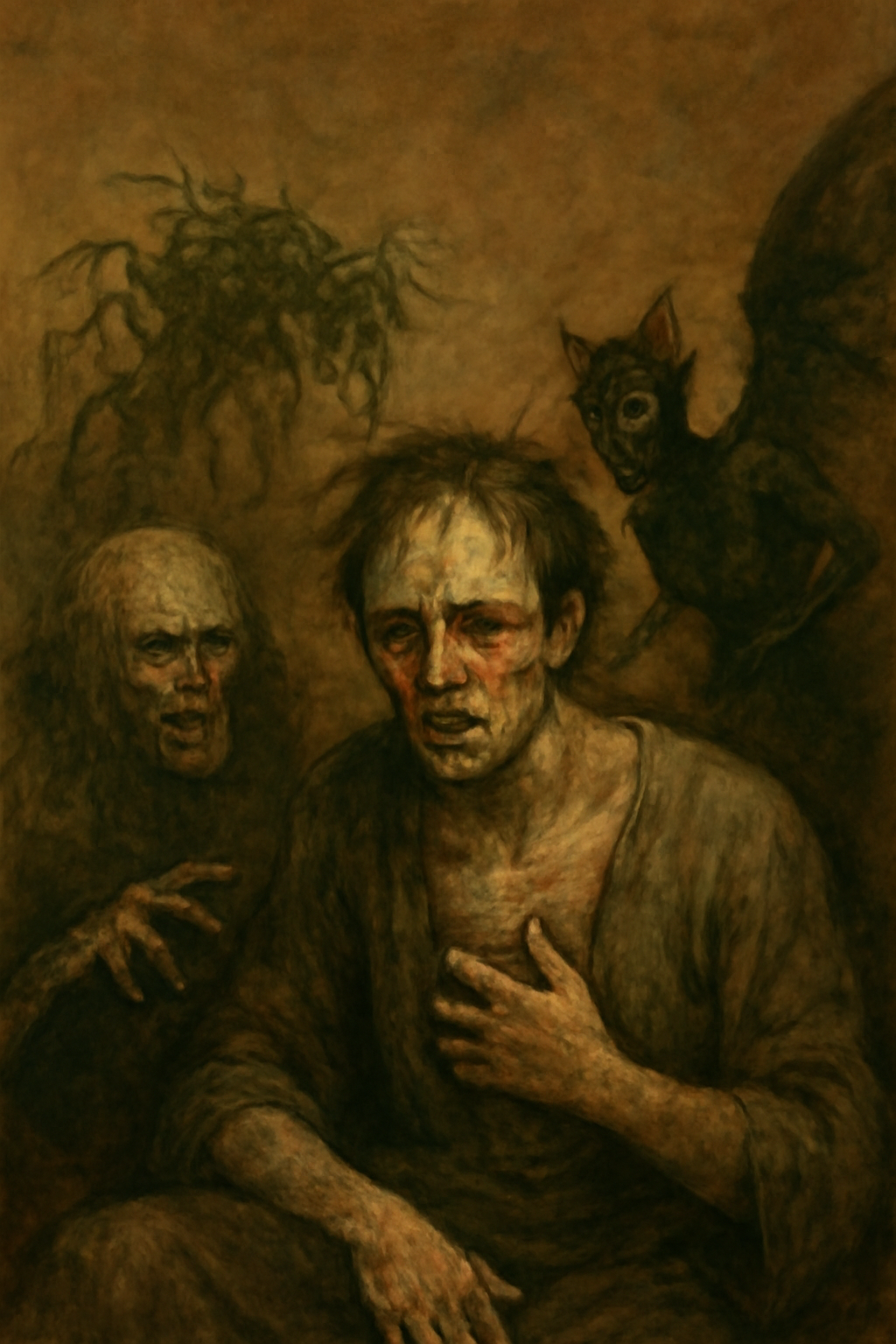
The terms illness and disease are sometimes used interchangeably in casual speech, but within the context of the rules and setting, they represent two very different kinds of afflictions. Understanding this distinction is important for GMs and players alike, because it affects gameplay, narrative weight, healing options, and how characters interact with the world. Below is the clean, expanded, game-focused breakdown of the differences between the two.
Illness vs. Disease in TTRPGs
- DISEASE (Game-Mechanical Hazard)
Definition:
A disease in RPG terms is a defined mechanical affliction, something with specific rules, saving throws, progression tracks, cures, and often a stat block.Characteristics of Disease
- Has mechanical rules: Diseases always include defined game mechanics, such as Save vs. Poison or Save vs. Disease rolls, incubation periods, periodic damage, attribute drain, progressive stages, and specific conditions for recovery or worsening. These rules ensure the disease poses a tangible mechanical threat during gameplay.
- Often external in origin: Diseases typically arise from hostile or hazardous sources such as monstrous creatures, polluted environments, cursed ruins, parasitic infestations, undead contamination, supernatural energies, or malevolent magic. They represent dangers that come from outside the character, not from normal biological processes.
- Replicable and consistent: Each disease follows the same mechanical effects every time it appears. A ghoul's fever, mummy rot, or swamp-born infection behaves predictably according to the rules, allowing GMs to apply them reliably and players to understand the risks and consequences.
- Examples: Common and iconic game diseases include Mummy Rot, Red Ache, Slimy Doom, Filth Fever, Supernatural Plague, and Canker Rot. These afflictions are known for their severe penalties, dangerous progressions, and often magical or monstrous origins.
Gameplay Purpose
- Adds risk to exploration: Diseases introduce additional layers of danger during wilderness travel, dungeon delving, and encounters with hazardous environments. Even routine exploration can become tense when exposure to contaminated water, toxic decay, or infected creatures may result in debilitating effects.
- Makes certain environments dangerous: Swamps, crypts, sewers, plague-infested towns, and monster lairs gain mechanical weight when diseases are present. These areas become more than atmospheric, they pose ongoing threats that can weaken or cripple a party before combat even begins.
- Allows healers/clerics to play an important role: Diseases give magical healers, herbalists, shamans, and clerics meaningful opportunities to shine. Their abilities to diagnose, treat, and cure serious afflictions can save party members from death or transformation, making them invaluable during extended adventures.
- Provides long-term threats beyond combat: Unlike instantaneous damage from battle, diseases often progress slowly, draining attributes, reducing effectiveness, and forcing players to make strategic choices about rest, treatment, and resource expenditure. This creates continuing narrative tension and challenges that persist long after the fight is over.
In short: A disease is a rules-governed game mechanic with predictable effects.
ILLNESS (Narrative Condition / Minor Affliction)
Definition:
An illness in RPGs is usually a non-mechanical or low-mechanical condition, something that exists mostly for story or flavor unless the GM decides otherwise.Characteristics of Illness
- Mild or non-lethal: Illnesses generally represent everyday ailments such as colds, stomach flu, fatigue sickness, headaches, or minor infections. These conditions rarely threaten a character's life but can still create inconvenience, discomfort, or minor setbacks during travel or downtime.
- Does not always have rules: Illnesses are frequently handled through roleplaying rather than strict mechanics. A GM may describe symptoms, mood changes, or temporary discomfort without imposing formal penalties, allowing the condition to enrich the narrative without slowing gameplay.
- Internal or mundane: Illnesses stem from normal biological or environmental causes, exposure to cold weather, spoiled rations, poor sleep, unclean water, stress, or exhaustion. They reflect the natural frailty of living beings rather than supernatural or monstrous threats.
- Flexible: The severity, duration, and impact of an illness are entirely under the GM's discretion. A simple head cold might last a day and impose no penalties, while a rough bout of food poisoning might hinder travel or give a minor penalty to endurance-based tasks. Illnesses allow the GM to shape the story's tone without rigid mechanical constraints.
Gameplay Purpose
- Adds realism and immersion: Minor illnesses reflect the everyday struggles of life in a fantasy world. Characters dealing with exhaustion, bad water, or seasonal sickness make the setting feel lived-in and grounded, enhancing the believability of long journeys and harsh environments.
- Creates downtime complications: Illness can affect travel plans, slow recovery, or force characters to rest in town longer than expected. These small setbacks create opportunities for roleplay, character development, and unexpected encounters while waiting out symptoms.
- Encourages use of herbalists, healers, or local medicine: Mild ailments promote interaction with the world's support systems, village healers, hedge witches, herbalists, shamans, or folk remedies. This reinforces the importance of local culture, economy, and the adventuring party's connection to NPCs.
- Provides plot hooks (sick villagers, mysterious wasting illness, etc.): Illness can easily drive adventures. A village stricken by fever, a caravan weakened by contaminated supplies, or a noble suffering from an unexplained ailment offers natural motivations for quests, investigation, and heroism without requiring supernatural threats.
In short: Illnesses are generally narrative tools, not mechanical threats, , unless the GM chooses to make them so.
3. Simple Comparison Table
Feature Illness Disease Rule Structure Often none or minimal: Illnesses are typically handled through roleplaying or GM narration rather than strict mechanics, sometimes imposing small situational penalties but usually resolving through rest or time. Always has rules: Diseases follow codified mechanics such as Saves vs. Disease, staged progression, damage, attribute loss, or recurring effects, making them structured dangers within the game. Severity Mild to moderate: Illnesses inconvenience characters, reduce comfort, or hinder performance, but rarely threaten life unless intentionally escalated by the GM. Moderate to deadly: Diseases can weaken, cripple, or kill characters, with some capable of causing transformation, permanent harm, or supernatural consequences. Origin Natural, mundane: Illness come from everyday sources, weather exposure, bad food, poor hygiene, exhaustion, or natural infections. Natural, magical, monstrous: Diseases may arise from filth, toxic environments, curses, undead corruption, demonic influence, or magical contagion from monsters. Predictability GM-defined: The severity, duration, and impact of an illness are determined by the GM, making each instance unique to the narrative. Consistent mechanical effects: A specific disease functions the same each time it appears, allowing predictable consequences and rule-based resolution. Examples Cold, infection, seasickness, food poisoning, minor conditions reflecting everyday discomforts or environmental stress. Mummy rot, lycanthropy, demon fever, magical plague, serious, rule-bound afflictions tied to creatures, magic, or supernatural phenomena. Cure Rest, herbs, time: Most illnesses resolve naturally or with simple remedies, herbal treatments, or basic medical care. Spells, high-level healers, special rituals: Diseases often require magical cures, clerical intervention, or rare treatments not easily obtained. Player Perception Flavor complication: Illness adds immersion, character nuance, or downtime drama without posing a major threat. Mechanical danger: Diseases are seen as serious obstacles that can disrupt adventuring, drain resources, and threaten a character's long-term survival. How to Handle It
Illness
Roleplay Flavor:
Illnesses usually manifest as fatigue, fevers, chills, nausea, headaches, or general malaise. They often arise from poor sanitation, contaminated water, spoiled food, exposure to harsh weather, or long-term stress.Mechanical Effects:
GMs may assign minor stat penalties, such as -1 to -3 to P.S., P.P., or P.E., reduced movement, disadvantage on skill checks, or limited spellcasting depending on the severity. Duration is typically 1d4 days for mild illness, 1d6-1 for moderate, or 1d8+2 for severe cases.Progression & Complications:
If untreated, minor illnesses can worsen, potentially leading to serious conditions (e.g., infection, exhaustion, or weakened immunity). Critical failures in saving throws could trigger complications or permanent stat damage.Recovery:
Basic rest, proper hydration, and standard Medical or Healing skills can alleviate symptoms. Higher-level treatment or magical healing speeds recovery and reduces the chance of complications.Environmental Triggers:
Certain environments, swamps, crowded cities, poorly maintained ships, or battlefields, have increased illness risks. Exposure may require a P.E. save to resist contracting an illness.Roleplay Opportunities:
Illnesses can affect social interactions, limit adventuring capabilities, or create moral dilemmas (e.g., sharing limited healing supplies). They also provide opportunities for clerics, healers, or alchemists to shine.Optional Rules:
Incubation Period: Illness may have delayed onset (1d4 days), requiring careful tracking by the GM. Transmission: Contagious diseases may spread among party members or NPCs without precautions. Long-term Effects: Some illnesses might leave lingering fatigue, susceptibility to future illness, or narrative hooks.
Disease
- Mechanics & Saving Throws: Diseases require explicit Save vs. Disease rolls, often at a set interval (daily, after travel, or exposure). Failure may cause ongoing effects, attribute loss, or worsening symptoms.
- Damage & Effects: Diseases can inflict mechanical damage including SDC loss, HP drain, temporary or permanent attribute penalties, fatigue, or impaired skills. Severity varies by disease type, minor, moderate, or deadly.
- Recurring & Persistent Threats: Many diseases can recur or linger if improperly treated, making them a persistent challenge for adventurers and NPCs alike. Some may flare up after weeks or months.
- Treatment & Cures: Standard cures include Cure Disease spells, psionic healing, or high-Roll Medical checks. Advanced or magical diseases may require Restoration, special rituals, or rare alchemical remedies.
- Supernatural & Unique Diseases: Certain diseases are magical or supernatural in nature and cannot be removed by mundane means. Examples include curses that mimic disease symptoms, undead plagues, or divine afflictions.
- Environmental & Roleplay Hooks: Exposure is common in swamps, ruins, crowded cities, or during contact with infected creatures. Diseases can influence exploration choices, social interactions, and create tension in adventuring parties.
Optional Rules:
- Incubation Period: Some diseases have delayed onset (1d4-1 days), making early detection difficult.
- Contagion: Certain diseases may spread among party members or NPCs without precautions.
- Long-term Effects: Permanent or lingering penalties (attribute loss, weakness, or fatigue) provide narrative depth and challenge.
When to Use Each in Play
- Adding realism: For environmental effects like cold, heat, dampness, spoiled food, or contaminated water. Illness reflects the world's dangers without threatening life directly.
- Creating non-lethal obstacles: Minor stat penalties, fatigue, or slowed movement can influence exploration, combat readiness, or travel pace.
- Enhancing plot flavor: Downtime, urban intrigue, or travel sequences can be enriched by characters falling ill, fostering roleplay and decision-making.
- Avoiding mechanical punishment: Illness is ideal when you want narrative or atmospheric consequences rather than risk of death or permanent harm.
- Encouraging party resource management: Characters may need to rest, ration supplies, or seek basic remedies, creating tension without lethal stakes.
- Introducing high-stakes threats: Diseases can endanger characters' lives, drain resources, or weaken adventurers in combat, adding serious tension.
- Making environments or monsters more dangerous: Swamps, cursed ruins, undead-infested areas, or monsters can transmit diseases that must be mitigated.
- Driving quests for cures: Diseases can provide narrative hooks for rare herbs, magical treatments, or clerical intervention, giving clear adventure goals.
- Testing characters' skills: Challenges clerics, healers, survivalists, and the party's problem-solving abilities in both preparation and execution.
- Adding long-term consequences: Lingering effects, attribute loss, or recurring symptoms create tension over multiple sessions and can shape character development.
- Highlighting supernatural or magical threats: Certain diseases are only removable via magic, rituals, or divine intervention, reinforcing the world's mystical aspects.
- Monsters: Many creatures carry diseases that can be transmitted through bites, scratches, or contact with bodily fluids. Examples include giant rats spreading filth fever, swamp trolls carrying pestilent spores, or undead curses mimicking disease effects.
- Environmental Hazards: Poor sanitation, spoiled food, contaminated water, stagnant swamps, overcrowded cities, or extreme climates can trigger illnesses or diseases. GMs can call for P.E. or Endurance saves to avoid contracting minor or moderate afflictions.
- Magical Contamination: Certain spells, curses, or arcane experiments may produce supernatural diseases. These often bypass mundane treatments and require magical intervention, rituals, or high-level healing skills to cure.
- Infected Wounds: Open wounds or injuries left untreated can become infected, potentially leading to serious disease. Cleaning, herbal remedies, or Medical skill checks are essential to prevent escalation.
- Roleplay & Story Hooks: The source of a disease can create narrative tension, drive quests for rare cures, or influence exploration decisions. For example, a party may need to avoid a plague-ridden village or seek the only healer capable of addressing a magical contagion.
- Examples: Filth Fever, Contagious Fever, Malaria-like infections, Cholera, Swamp Rot, Plague of Rats.
- Symptoms: Fever, nausea, chills, weakness, reduced movement, temporary attribute loss, dizziness, or occasional vomiting.
- Mechanics:
- Typically require a Save vs. Disease when exposed to the source.
- Failure may result in HP or SDC loss, temporary penalties to P.S., P.E., or P.P., and reduced effectiveness in combat or skill checks.
- Progression can vary: minor illnesses may resolve in 1d4 days, moderate cases in 1d6 days, and severe cases in 1d8+2 days.
- Recovery is usually possible with rest, proper nutrition, clean water, medical skill checks, or standard healing magic. Untreated cases may worsen or lead to secondary complications.
Roleplay & Story Hooks:
- Travel hazards such as swamp crossings, spoiled rations, or unsanitary inns.
- Urban epidemics that challenge party planning, resource allocation, and social interaction.
- Survival challenges requiring careful management of rest, water, and food.
- Opportunities for healers or party members with medical knowledge to shine.
- Examples: Lycanthropy, Ghoul Fever, Cursed Plague, Magical Contagion, Shadow Rot, or Arcane Fever.
- Symptoms: Fever, weakness, nausea, hallucinations, night terrors, altered behavior, strange physical transformations, or supernatural debuffs such as reduced resistance to magic or impaired spellcasting.
Mechanics:
- Typically require a Save vs. Magic or a high-level Medical/Occult skill check to resist or slow progression.
- Failure can cause HP/SDC loss, temporary or permanent attribute penalties, ongoing fatigue, or recurring attacks (e.g., bursts of fever or transformation symptoms at night).
- Magical diseases often have staged progression: early symptoms may be mild, but untreated cases worsen over time, potentially leading to permanent effects or full transformation.
- Cures usually require Restoration, Ritual Magic, divine intervention, or rare magical reagents. Ordinary healing magic or rest is often insufficient.
Roleplay & Story Hooks:
- Magical diseases can initiate quests for rare cures or dangerous rituals.
- They can create tension between infected characters and NPCs or among party members.
- Serve as narrative devices for haunted locations, cursed items, or encounters with magical creatures.
- Recurring or staged symptoms provide ongoing challenges and roleplay opportunities over multiple sessions.
- Poison attacks usually require a Saving Throw vs. Poison to resist or mitigate effects.
- Failure may result in HP or SDC loss, temporary or permanent attribute penalties, and fatigue.
- Some poisons have lingering effects or delayed onset, requiring multiple saves over time to fully recover.
- Treatment can include antidotes, magical healing, Medical skill checks, or high-level psionics. Rest alone is often insufficient for severe toxins.
- Debuffs: Temporary -1 to Attack rolls, -2 to Dodge, or penalties to saving throws.
- Movement Speed: Diseases might reduce movement speed by 10-20%, forcing the character to move slowly and potentially hindering quest objectives.
- Duration: The disease may last for 1d4+2 days unless cured.
- Cure Disease: A Priest or Healer can cast a Cure Disease spell to remove the affliction. The spell's effectiveness depends on the level of the caster.
- Restoration: In more severe cases (e.g., lycanthropy or magical diseases), Restoration magic or Wish spells might be required.
Illness
Unlike diseases, illnesses are often more narrative-driven, with mechanics being less concrete. Illnesses can affect characters physically, mentally, or both, and often come from environmental factors or monster effects.
A. Causes of Illness
Environmental Hazards
Illness can result from extreme temperatures, exposure to contaminated water, or foul weather.
Example: A character exposed to extreme cold might contract Hypothermia, causing fatigue and debuffs to combat effectiveness.
Magical Effects
Some spells or curses may induce illness-like effects, causing nausea, fever, or fatigue.
Example: A Hex or a Curse might cause a character to suffer from a debilitating illness like weakness or nausea.
Fatigue
Extended travel without proper food, water, or rest can lead to fatigue, reducing a character's physical ability and making them more vulnerable to diseases.
Mechanic: Fatigue results in -1 to Physical Stats (P.E., P.S., or P.P.), reducing the character's efficiency in combat or exploration.
B. Symptoms of Illness
Illness symptoms often impair a character's physical and mental capabilities, requiring the player to adjust their roleplay accordingly.
Nausea
The character is physically ill, suffering from dizziness, nausea, and a reduced ability to perform physical tasks.
Mechanic: The character must make a Saving Throw vs. Fatigue or suffer from penalties to attack rolls, damage, and movement for 1d6 hours.
Fever
Fever causes the character to become weak and less effective in combat, resulting in temporary stat reductions.
Mechanic: Fever might impose -1 to P.S., P.E., and P.P. for a period of time, as well as have an effect on I.Q. and M.E.
Fatigue and Weakness
A prolonged illness might cause exhaustion, preventing the character from healing properly.
Mechanic: During illness, the character can't recover HP or might need additional rest (beyond regular healing) to fully regain P.S..
Remedies and Healing
Cure Disease
Clerics or Priests can cast spells like Cure Disease to alleviate the symptoms or remove the disease completely.
Herbal Remedies
Herbalists or Alchemists can brew potions or salves to relieve symptoms or speed recovery from illnesses.
Rest and Recovery
In non-magical settings, long-term rest in a safe environment can help the character recover, albeit more slowly. This is an important resource to manage during long adventures.
Roleplaying Disease and Illness
Diseases and illnesses can significantly enhance the narrative of your campaign. They can serve as an obstacle, create moral dilemmas, or force characters to make difficult decisions about their health and actions.
Character Development
How characters deal with diseases or illnesses can show their resilience, morality, and resourcefulness. A character suffering from Lycanthropy might struggle with their transformations, adding internal conflict.
Storytelling Tension
Plagues or spreading diseases can change the course of an adventure. They might lead to quests to find a cure, or create a sense of urgency as the disease spreads across the land.
Use Illness when:
Use Disease when:
A. Causes of Disease
Diseases can arise from a variety of sources, including monsters, environmental hazards, magical contamination, and infected wounds. While the system emphasizes roleplay and resource management, understanding the causes of disease helps GMs integrate them meaningfully into adventures.
Monster Attacks
Many monsters can transmit diseases through bites, claws, or magical effects. These diseases range from minor fevers to supernatural afflictions that permanently alter a character.
Example: A werewolf (lycanthrope) bite might transmit Lycanthropy, causing a gradual transformation into a werewolf. Ghouls could spread Ghoul Fever, while plague rats might transmit filth fever.
Mechanic: When bitten or attacked by a disease-carrying monster, the GM may call for a Saving Throw vs. Disease. Some sources may require Save vs. Poison or Save vs. Magic, depending on the nature of the affliction. A failed save results in contracting the disease, which could have immediate or delayed effects, stat penalties, or recurring symptoms.
Environmental Factors
Unsanitary conditions, such as swamps, overcrowded cities, stagnant water, spoiled food, or filthy camps, are common sources of disease. Long exposure to these hazards increases the risk.
Example: Traveling through a disease-ridden swamp may result in contracting a contagious fever, malaria-like infection, or waterborne plague if precautions are not taken.
Mechanic: Environmental exposure usually calls for a Saving Throw vs. Disease or Save vs. Poison. Failure can lead to temporary or long-term stat penalties, fatigue, or attribute loss. Duration can range from 1d4 days for minor illnesses to 1d8+2 for severe cases, and repeat exposure may worsen the condition.
Magical Sources
Magic can create or exacerbate diseases, either through curses, magical contamination, or malevolent spell effects. Magical diseases may bypass mundane treatment entirely.
Example: A curse of disease might act like a magical contagion, spreading from victim to victim, or a demon of plague might inflict an unnatural illness with unique symptoms.
Mechanic: Magical diseases often require a Save vs. Magic to resist. Failure results in the character being afflicted, which may include strange debuffs such as fever, weakness, nausea, or more exotic effects determined by the GM. Some magical diseases can only be cured through Restoration, Ritual Magic, or rare magical items.
Infected Wounds
Open or untreated wounds may become infected, particularly if inflicted by creatures associated with filth, decay, or necrotic energy. Infection can lead to both mechanical penalties and narrative consequences.
Example: A cut from a zombie, ghoul, or skeleton might fester if not properly treated, leading to slow health deterioration and fatigue.
Mechanic: After receiving a wound, the character must make a Saving Throw vs. Disease. Failure results in infection, causing gradual HP loss, stat penalties (such as -1 to P.S. or P.E.), fatigue, and possible secondary complications if untreated. Medical skill checks, healing magic, or herbal remedies can halt the progression.
B. Types of Diseases
Diseases can be broadly categorized into three main types: Physical Diseases, Magical Diseases and Poisoning. Understanding these categories helps GMs design challenges, apply mechanical effects, and integrate roleplay opportunities.
1. Physical Diseases
Physical diseases are caused by natural sources such as bacteria, viruses, parasites, or environmental contamination. They primarily affect the body's normal functioning, producing fatigue, fever, weakness, and other tangible symptoms. Unlike magical diseases, they generally respond to mundane treatment and rest.
2. Magical Diseases
Magical diseases are supernatural afflictions caused by curses, spells, demonic influence, or exposure to magical anomalies. They often bypass mundane treatment and can produce unpredictable or transformative effects on the victim.
3. Poisoning
Effect: Poison is a harmful substance that can mimic some effects of disease, including fatigue, nausea, dizziness, or gradual health loss. Unlike most diseases, poisons usually act more quickly and can be immediately dangerous if untreated.
Examples: Manticore Venom, Snake Bite Poison, Giant Spider Venom, Alchemical Toxins, or a contaminated drink laced with nightshade extract.
Mechanics:
Roleplay & Story Hooks: Poisoning can serve as an environmental hazard, a trap in dungeons, or the signature attack of a monster. It provides opportunities for creative problem-solving, quest hooks for rare antidotes, or tension in combat and social encounters.
C. Mechanics of Disease
Diseases work similarly to Poison in the rules, with Saving Throws and health penalties. However, the GM has the flexibility to adjust the severity and duration based on the nature of the disease.
Contracting Disease
When exposed to a disease, a character must Save vs. Poison or Save vs. Magic (depending on the source). The difficulty can range from 10 to 16, depending on the type of disease.
Failure results in the character contracting the disease, and the GM can apply specific effects based on the disease.
Incubation Period
Diseases often have an incubation period, during which the symptoms might not show immediately. This creates suspense in the narrative.
Mechanic: The GM decides when symptoms appear, often after 1d4 to 1d6 days. Once symptoms emerge, the character suffers from effects such as fatigue, fever, or nausea.
Effects of Disease
Diseases typically cause temporary stat penalties. For example, a disease might cause the character to lose 1d6 Hit Points (HP) per day, or penalties to P.E., P.S., P.P., or other physical abilities.
Contagiousness
Diseases can spread if quarantine or isolation is not observed. Characters who contract a disease may spread it to others.
Mechanic: If a character is within 10 feet of an infected person, they must Save vs. Disease again each day. If the disease spreads, the GM can apply the same penalties to the newly infected character.
D. Curing Disease
Diseases can be cured using various methods, including magic, time, and specialized potions.
Healing Magic
Natural Healing
Time and Rest: If the disease is not magical in nature, the character can recover naturally by resting in a clean, safe environment for several days.
During this time, the character may be bedridden, losing HP each day, or suffering stat penalties until they recover.
Magical Potions
Healing Potions and Cure Disease Elixirs can also be used to reduce symptoms or fully cure a disease, depending on their potency.
Common Diseases and Illnesses
Common Diseases and Mechanical Effects
|
Common Illnesses and Mechanical Effects
|